
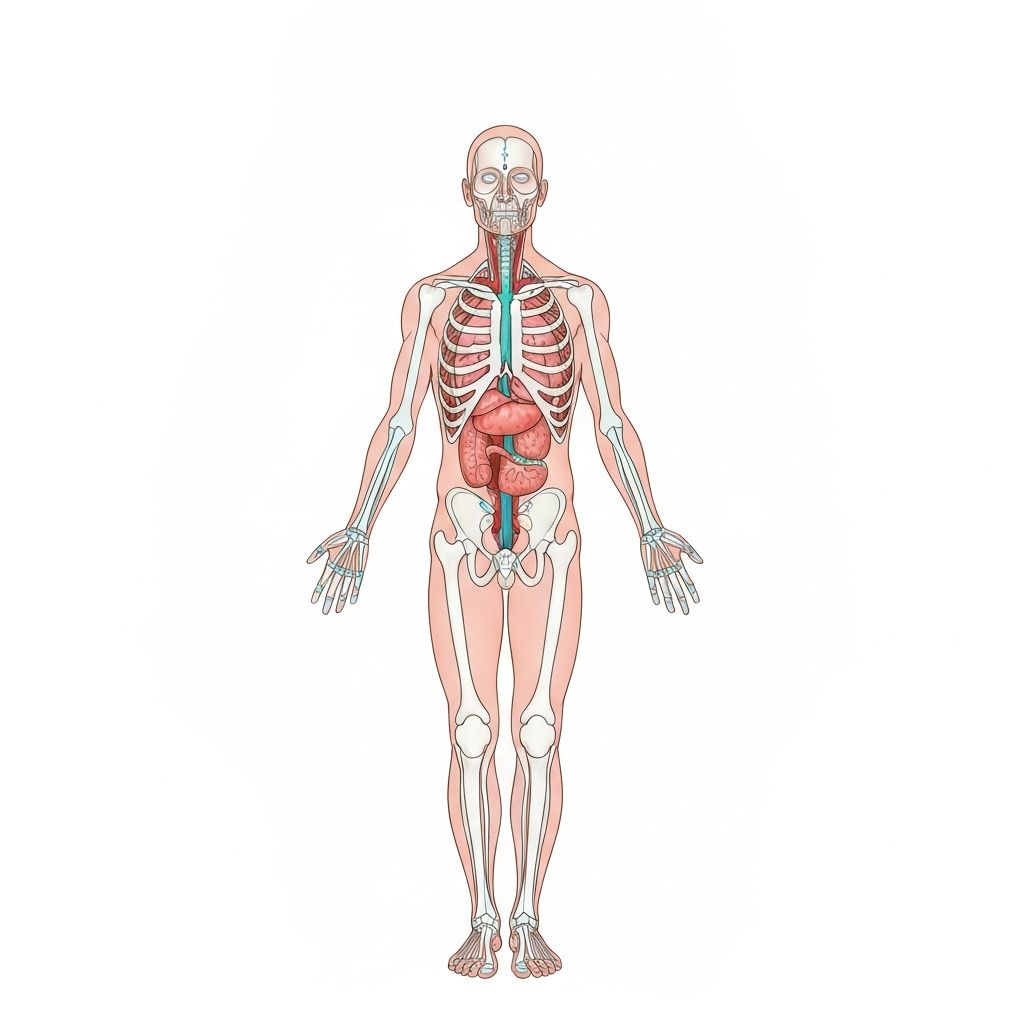
Body weight homeostasis refers to the physiological mechanisms that maintain relatively stable body weight over extended periods. This regulatory system involves complex interactions between the nervous system, hormones, and metabolic pathways.
The human body possesses sophisticated feedback mechanisms that monitor energy intake, expenditure, and storage. These systems work to maintain equilibrium, with the hypothalamus playing a central role in regulating appetite signals and energy metabolism.
Understanding these mechanisms is fundamental to comprehending how dietary patterns, lifestyle factors, and environmental conditions influence overall metabolic function. The body continuously adjusts various parameters to maintain this dynamic equilibrium.